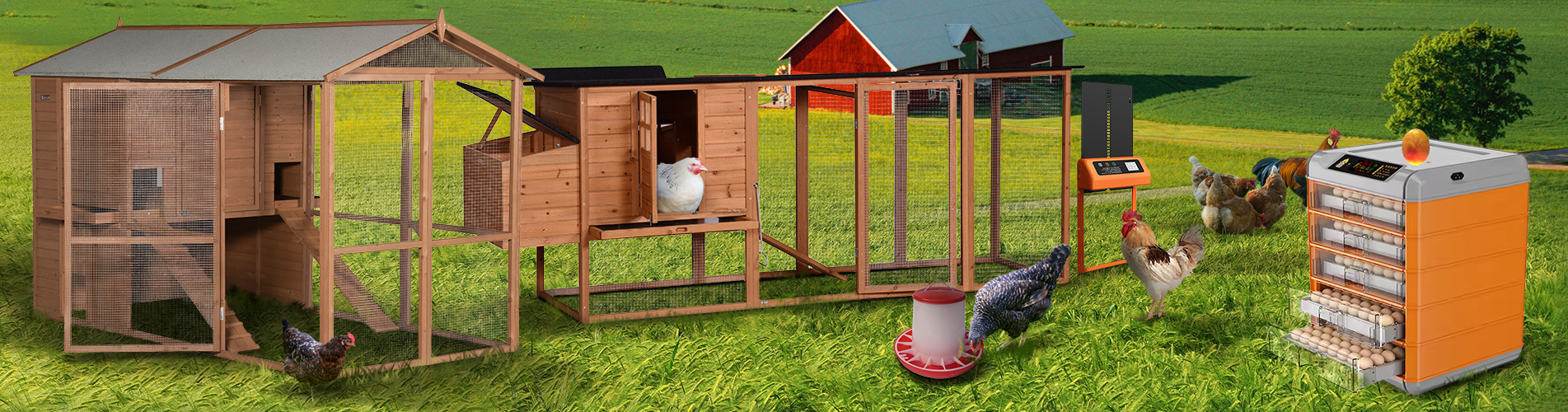
See how our latest coops with auto doors, drinkers & incubators perform on real farms.
Home

Blog

Blog

  • The Unrivaled Choice: Why Wooden Chicken Coops Remain the Gold Standard for Discerning Poultry Keepers
    The Unrivaled Choice: Why Wooden Chicken Coops Remain the Gold Standard for Discerning Poultry Keepers
    Apr 08, 2026
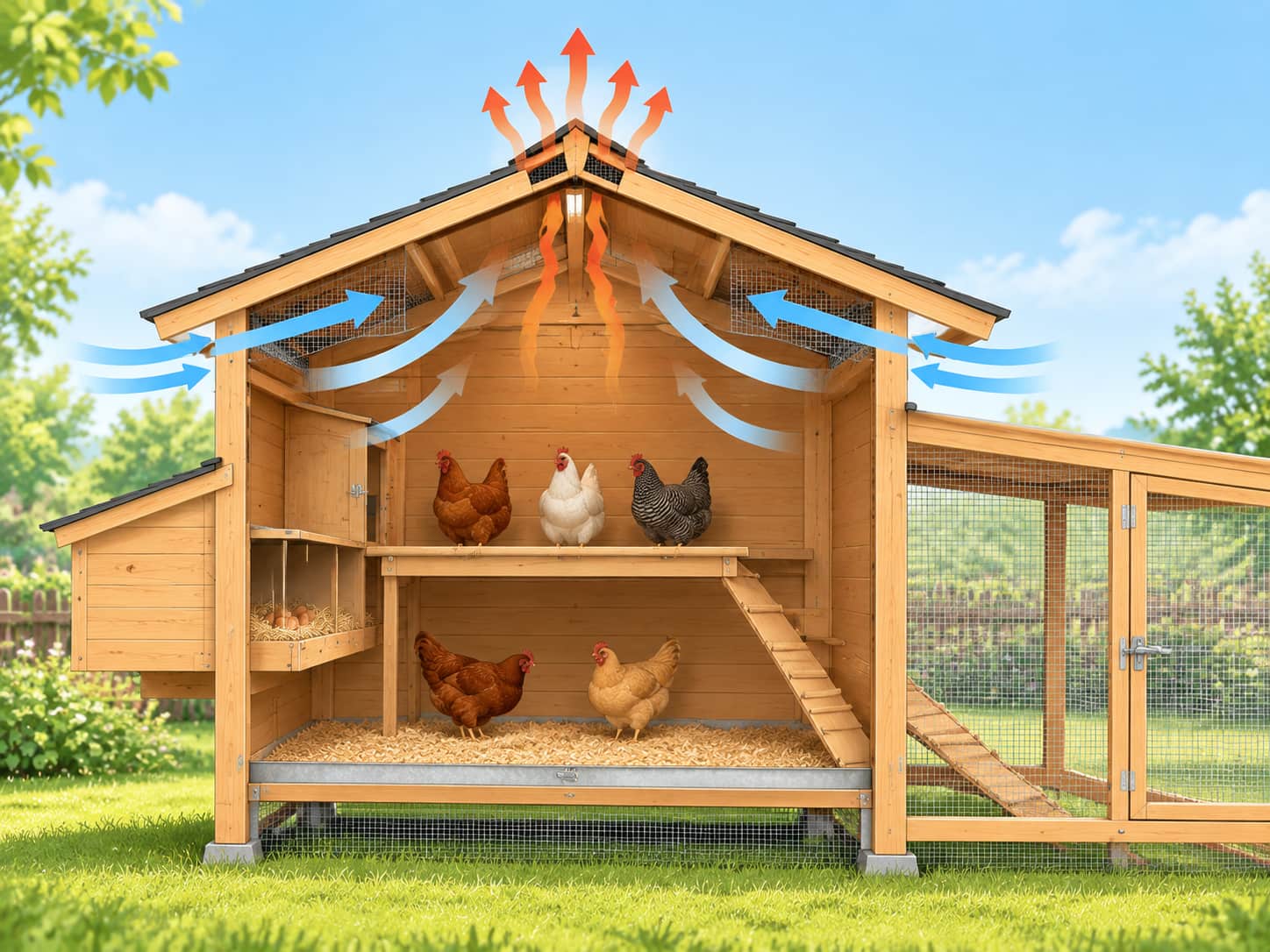
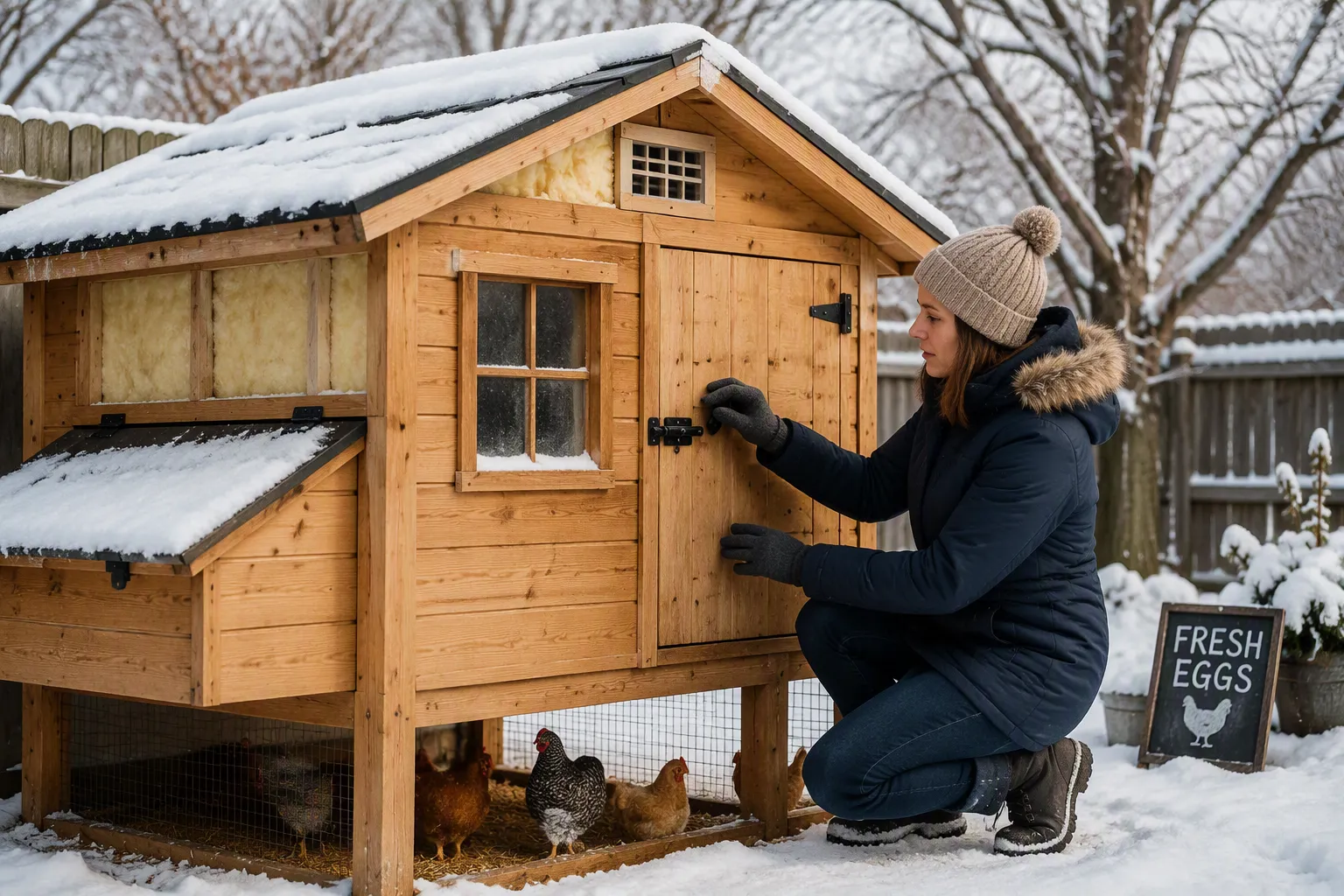
    The Unrivaled Choice: Why Wooden Chicken Coops Remain the Gold Standard for Discerning Poultry Keepers In the evolving world of backyard poultry, trends come and go. Recent market data from 2024 confirms a shift: plastic chicken coops, once a niche product, now account for about 33.4% of the market, appealing largely to urban hobbyists and first-time owners seeking the ultimate in convenience. However, the same data reveals a powerful truth: 62% of poultry keepers—the vast majority—still trust and prefer wooden chicken coops. As a dedicated manufacturer of premium wooden coops, we understand that this preference is not merely about tradition. It is a choice rooted in a deep understanding of animal husbandry, environmental responsibility, and long-term value. While plastic coops offer a quick-fix solution, wood provides a holistic home. Let’s explore the profound and practical reasons why wooden coops continue to be the heart of healthy, thriving flocks across Europe and North America. 1. The Science of Shelter: Superior Thermal Dynamics and Respiratory Health   The health of your flock begins with the air they breathe and the temperature they endure. This is where the fundamental properties of wood set it apart from plastic. Natural Thermoregulation: Wood is a naturally porous material composed of millions of tiny air pockets. This cellular structure makes it a phenomenal insulator. In the depths of winter, a well-built wooden coop acts like a thermal battery, trapping the collective body heat of the flock to keep the interior significantly warmer than a plastic structure. Conversely, during a summer heatwave, wood’s low thermal conductivity means it stays cool to the touch, resisting the sun’s radiant heat and providing a shaded, temperate refuge. Plastic, on the other hand, is prone to extreme temperature swings—becoming an oven in direct sun and a freezer when the temperature drops. Breathability and Moisture Control: Perhaps even more critical than temperature is moisture management. The single biggest threat to poultry respiratory health is ammonia fumes, which build up from droppings mixed with moisture. Wood’s natural breathability allows moisture vapor to pass through it, preventing condensation from forming on walls and ceilings. This "wicking" action helps keep the coop interior dry and significantly reduces the risk of respiratory diseases like Aspergillosis. Plastic, being non-porous, often traps humidity inside. This leads to condensation ("sweating" walls), which creates a damp, ammonia-rich environment that is a breeding ground for illness. 2. Engineering for a Lifetime: Durability and Structural Integrity A coop is an investment in your flock's future. When you choose a wooden coop from a quality manufacturer, you are choosing a structure built to withstand the elements for decades. Resistance to the Elements: While all materials face wear and tear, high-quality wood, when properly treated and constructed, offers remarkable resilience. Modern wood treatments and exterior-grade paints create a formidable barrier against rain, snow, and UV degradation. Unlike plastic, which can become brittle and crack over time due to sun exposure, or warp under extreme temperature fluctuations, quality timber maintains its structural integrity. A wooden coop with a well-designed roof overhang and treated base will shed water effectively for years. Robustness Against Predators: A coop must be a fortress. Plastic panels, even those touted as "durable," can sometimes be chewed through by determined predators like raccoons or rats, or can crack under impact. A well-constructed wooden coop, built with solid timber and secured joints, provides a physical barrier that predators find far more difficult to breach. The inherent strength of wood gives keepers peace of mind that their flock is safe at night. 3. The Joy of a Living Space: Customization and Evolution No two flocks or backyards are the same. A coop should be adaptable to your unique needs, and wood is the ultimate medium for personalization. Adaptability for Flock Dynamics: Your poultry-keeping journey will evolve. You might add new breeds, increase your flock size, or decide to try your hand at breeding. A wooden coop can evolve with you. Need to install a larger pop-hole door for your heavy breed? Want to add a custom-built roosting bar arrangement? Need to partition off a section for a broody hen and her chicks? With simple tools, you can drill, saw, and modify a wooden coop with ease. This flexibility is simply impossible with the injection-molded, one-piece construction of most plastic coops. Aesthetic Harmony and Personal Expression: Your backyard is an extension of your home. A utilitarian plastic coop can look jarringly out of place in a carefully cultivated garden. Wooden coops offer timeless aesthetic appeal. They can be painted to match your house, stained to blend with a natural landscape, or left to weather to a beautiful, silvery patina. This ability to harmonize with your property’s design is a key reason why keepers choose wood—it enhances the beauty of their outdoor space rather than detracting from it.   Repairability: Time and weather may take their toll, but damage to a wooden chicken coop is almost always repairable. A rotting floorboard? Replace it. A loose hinge? Screw it back into solid wood. A faded paint job? Sand and repaint. This "make-do-and-mend" philosophy is central to sustainable living and is a huge advantage over plastic, where a crack or broken panel often means the entire unit is beyond repair and destined for the landfill. 4. An Honest Look at Maintenance and Pest Resistance One of the primary marketing angles for plastic coops is the promise of a "red mite free" and "maintenance-free" existence. As experienced manufacturers, we believe in providing an honest, balanced view. Addressing the Red Mite Concern: It is true that red mites can hide in the cracks and crevices of wood. However, this is not an inevitability; it is a design and maintenance consideration. A well-designed wooden coop from a reputable manufacturer features: Seamless Construction: Minimal joints and carefully fitted boards reduce hiding places. Smooth, Painted Surfaces: High-quality, multi-layer paint seals the wood, creating a surface that is just as inhospitable to mites as plastic. Mites cannot burrow into painted, sealed wood. Cleanable Interiors: Modern wooden coops are designed with cleanability in mind, featuring smooth interior surfaces and sometimes even removable floors and panels for easy access. Proactive Management: A simple, annual routine of cleaning, followed by dusting with food-grade diatomaceous earth (a natural powder) into joints and crevices, completely eliminates any mite risk. This small effort is a fraction of the work required to maintain a healthy garden.   The Myth of "Maintenance-Free": Nothing is truly maintenance-free. While plastic requires no painting, it does require careful cleaning with specific products to avoid damage. It can also harbor bacteria in microscopic scratches that appear over time. The "maintenance" of a wooden coop—an enjoyable afternoon of applying a fresh coat of natural stain or paint once a year—is often seen by keepers not as a chore, but as an act of care that protects their investment and keeps their coop looking beautiful. 5. The Ethical and Environmental Imperative For a growing number of keepers, the choice of coop is an environmental one. A Sustainable, Renewable Resource: Wood, sourced from responsibly managed forests, is the ultimate renewable building material. It has a significantly lower carbon footprint to produce than petroleum-based plastics. By choosing a wooden chicken coop, you are supporting sustainable forestry and choosing a product that stores carbon rather than emitting it during its manufacture. Biodegradability and End of Life: A high-quality wooden coop can last 15-20 years or more with proper care. When it finally reaches the end of its long life, it will biodegrade naturally and return to the earth. Plastic coops, however, are destined for landfills where they will persist for hundreds of years, breaking down into harmful microplastics. For the eco-conscious poultry keeper, the choice is clear. Conclusion: A Legacy of Health, Beauty, and Value The decision to keep poultry is a return to a simpler, more connected way of life. Your coop should reflect that philosophy. While plastic offers a sterile, short-term convenience, wood offers a living, breathing home for your flock. By choosing a wooden chicken coop from our factory, you are not just buying a shelter; you are investing in: The long-term health and comfort of your birds. The beauty and harmony of your backyard. A durable, repairable structure that will last for generations. An environmentally responsible choice you can feel good about. For the 62% who choose wood—and for the 33.4% considering their next coop—the message is clear: Wood is not just the traditional choice; it is the smarter, more sustainable, and ultimately more rewarding choice for a happy, healthy flock. Trust the material that has served farmers and families for centuries. Choose a wooden coop.
    Read More
  • Chicken Manure Composting Guide
    Chicken Manure Composting Guide
    Feb 09, 2026
    Chicken Manure Composting Guide     Composting chicken manure (also known as decomposition or aging) is a very important and common practice in agricultural production. This is not only for treating livestock and poultry waste, but also a key process for transforming waste into high-quality resources. The main reasons why farms don't directly apply fresh chicken manure to farmland but instead spend time and effort composting it are as follows: 1. Eliminating the harm caused by direct application of chicken manure (core reason) Using fresh chicken manure directly without treatment can cause serious damage to crops and soil: "Seedling burn" and "root burn": Fresh chicken manure continues to ferment in the soil, producing large amounts of heat and harmful gases such as ammonia, causing damage to crop roots, commonly known as "root burn," and in severe cases, leading to seedling death. Spread of pests and diseases: Chicken manure may contain a large number of harmful bacteria, insect eggs, and weed seeds; direct application is equivalent to introducing these hazards into the farmland. Difficulty in nutrient absorption: Nutrients in fresh chicken manure (such as nitrogen) mainly exist in organic form, which crops cannot directly absorb, resulting in slow and uneven fertilizer effects. 2. Transforming Nutrients into Absorbable Forms (Main Purpose) The composting process is a decomposition and stabilization of organic matter under the action of microorganisms. Its core purposes are: Mineralization: Converting the complex organic nitrogen and organic phosphorus in chicken manure into inorganic nitrogen (ammonium nitrogen, nitrate nitrogen) and available phosphorus that crops can directly absorb and utilize. Humification: Generating stable humus, the core of soil fertility, improving soil structure, and enhancing water and fertilizer retention capacity. 3. Obtaining Stable, Safe, and Efficient Organic Fertilizer Fully composted chicken manure fertilizer has many advantages: Safe and Harmless: The high temperature during fermentation (up to 60-70℃) effectively kills most pathogens, insect eggs, and weed seeds, eliminating odors. Long-Lasting and Mild Fertilizer Effect: Stable nutrient release without burning roots, providing both quick-acting nutrients and long-lasting fertility. Soil Improvement: Rich in organic matter and humus, it improves soil structure, alleviates soil compaction, and increases the activity of beneficial microorganisms in the soil.   Environmentally Friendly: It avoids air pollution and eutrophication caused by manure accumulation, achieving internal recycling within agriculture. The following are the key operational steps and essential points for converting chicken manure into high-quality compost: 1.Planning and Design Develop a composting management plan in accordance with local regulations. Choose a composting site away from water sources, roads, and residential areas, and use compost bins or compost troughs, ensuring the bottom is waterproof. 2. Raw Material Preparation and Mixing   You will need to adjust the carbon-to-nitrogen ratio (C/N): Chicken manure (high in nitrogen) needs to be mixed with high-carbon materials (such as bedding, straw). Target C/N ratio: typically between 15:1 and 35:1. Moisture content: The mixture should be moist but not water-squeezable, with a moisture content of approximately 40-60%. 3. Composting Process Management   Creating a Favorable Environment: Providing oxygen through turning the compost to maintain microbial activity. Temperature: The core temperature of the compost pile should be maintained at 54-65°C for several days to kill pathogens and weed seeds. Turning the Compost: Turn the compost as the temperature drops, usually several times. 4. Decomposition and Storage   Completion of Decomposition: When the temperature stabilizes and approaches ambient temperature, it signifies that it has entered the decomposition stage. Decomposition Time: Typically takes 1-3 months. After decomposition, it should be odorless and dark brown. Storage: Avoid rain to prevent nutrient loss. 5. Quality Testing and Application   Safe and Effective Use: Prioritize nutrient content analysis using laboratory methods. Application: Avoid application during the rainy season, freezing temperatures, or flooding. Method: Plow into the soil within 24 hours on cultivated land; for pasture, apply in small granule form. In addition to the basic procedures, the following key points are directly related to the success, compliance, and safety of composting: Biosafety and Disease Control: Chicken manure may carry pathogens such as avian influenza. High-temperature treatment (>54°C) is crucial for killing pathogens. Environmental Protection: Odor and Fly Management: The composting process produces odors and attracts flies. Ensuring a proper carbon-to-nitrogen ratio, timely turning of the compost, or covering with a tarpaulin can effectively control flies. Water Body Protection: Composting sites must be far from water sources and wells, and buffer zones must be in place. Never apply manure to flooded areas, steep slopes, or frozen ground. Regulations and Community Relations: Many areas have strict regulations regarding manure storage, application time, and distance from water sources. Consider wind direction and neighbors before application. Avoid operating on weekends, holidays, or at night. Notify neighbors in advance if necessary.
    Read More
  • Why do European and American farmers prefer wooden chicken coops?
    Why do European and American farmers prefer wooden chicken coops?
    Sep 22, 2025
    Why do European and American farmers prefer wooden chicken coops? 1. Environmental Sustainability: From Basic Certification to Full Lifecycle Advantages Environmental standards in the European and American markets have established a comprehensive assessment system. Wooden chicken coops offer competitive advantages on three levels:   FSC-certified wood: Utilizing sustainable wood certified by the Forest Stewardship Council, its supply chain achieves an ecologically balanced "cut one, replenish three" mechanism. In comparison, plastic cages rely on non-renewable petroleum-based feedstock (producing 2.1 tons of CO₂ per ton of plastic cages), and the electrolytic aluminum process for metal cages consumes up to 15,000 kWh of energy per ton. A study by the Technical University of Denmark shows that the carbon footprint of wooden chicken coops, from raw material collection to disposal, is only 38 kg of CO₂ equivalent, a 42% reduction compared to competing products.   Recycling Network: Europe has established a professional recycling system for wooden agricultural waste. Germany's RWE Group uses biomass power generation technology to achieve a 90% conversion rate for used chicken coops. Phthalates released when plastic cages degrade in landfills have been classified as Class 2B carcinogens by the WHO.   Policy Adaptability: The EU's Green Deal, implemented in 2023, reduces the VAT on wooden farm tools to 5%, while France imposes an eco-tax of €1.20 per kilogram on plastic farming equipment.   2. Animal Welfare: From Compliance to Health Enhancement Exceeding the basic requirements of EU directives, wooden structures demonstrate unique value in poultry physiology and behavior:   Microclimate Regulation System: Wood's capillary structure automatically maintains a relative humidity range of 20%-70%. Experiments at the University of Padova in Italy have confirmed that the winter insulation of wooden chicken coops reduces poultry's basal metabolic rate by 18% and increases feed conversion by 9%.   Natural Behavior Induction Design: Mortise and tenon perches, developed based on poultry behavioral patterns, stimulate instinctive behaviors such as pecking and flapping. Data from the UK's Royal Society for the Prevention of Cruelty to Animals (RSPCA) show that farms using wooden structures experience a 37% decrease in feather damage and a 12% increase in eggshell strength.   Stressor Isolation: Wood's acoustic properties can reduce ambient noise by 6-8 decibels, effectively alleviating group convulsions caused by sudden noise from transport vehicles and other sources.   3. Durability and Affordability: From Purchase Value to Lifetime Value A total lifecycle cost (TCO) analysis reveals the true value for money of wood products:   Anti-aging Technology: Modern pressurized preservative processes (such as MCQ double treatment) have extended the lifespan of pine wood to over 15 years. A follow-up survey by the Scottish Agricultural College shows that the average annual depreciation cost of wooden chicken coops is only 23 euros, 38% lower than that of galvanized metal coops (37 euros).   Modular Repair System: Using standardized component design, British building material supermarkets such as B&Q offer ready-to-use replacement parts. Farmers can replace side panels with simple tools, saving 85% of the labor hours required for argon arc welding repairs on metal coops.   Residual Value Monetization Channels: French agricultural cooperatives generally establish second-hand farm tool trading platforms. High-quality wooden chicken coops can still maintain a 45% residual value after eight years of use.   4. Cultural Value: From Functional Tools to Lifestyle Amid the post-pandemic "return to the countryside" trend, wooden chicken coops have become a lifestyle staple:   Design styles are evolving: Subcategories have emerged, including New England Colonial (with shutters) and Provence Country (with handcrafted wrought iron fittings). Data from the US platform Houzz shows that customized wooden chicken coops command a price premium of 2-3 times that of standard models.   Social Media Impact: The hashtag #woodenchickencoop has generated over 2.8 million impressions on Instagram, and a minimalist chicken coop designed by Danish designer Henning Koppel has been added to the permanent collection of the Museum of Modern Art in New York.   Educational Development: The UK National Trust uses wooden chicken coops as a natural education tool for children, and its "Observing the Egg-Laying-Composting Cycle" course has been incorporated into the compulsory curriculum of 200 primary schools.   5. Forward-Looking Regulations: Leading New Standards for Sustainable Social Lifestyles Wood manufacturers are transitioning from compliance followers to standard-setting participants:   Plastic Replacement Timeline: Under the transitional provisions of the EU's new 2027 regulations, the "detachable connector" technology jointly developed by wood companies has been adopted as an industry standard.   Integration into the Carbon Credit System: The Dutch Carbon Bank has recognized the carbon sequestration value of wooden chicken cages, with each standard cage redeemable for 2.3 carbon credits (approximately €5.8).   Improving Animal Welfare: The "Dynamic Space Standard," promoted by Swedish animal rights organizations, includes the scalability of wooden structures as a core scoring factor, providing a technical template for legislative revisions in 2025.
    Read More
  • How to distinguish the types of wooden chicken coops?
    How to distinguish the types of wooden chicken coops?
    Sep 22, 2025
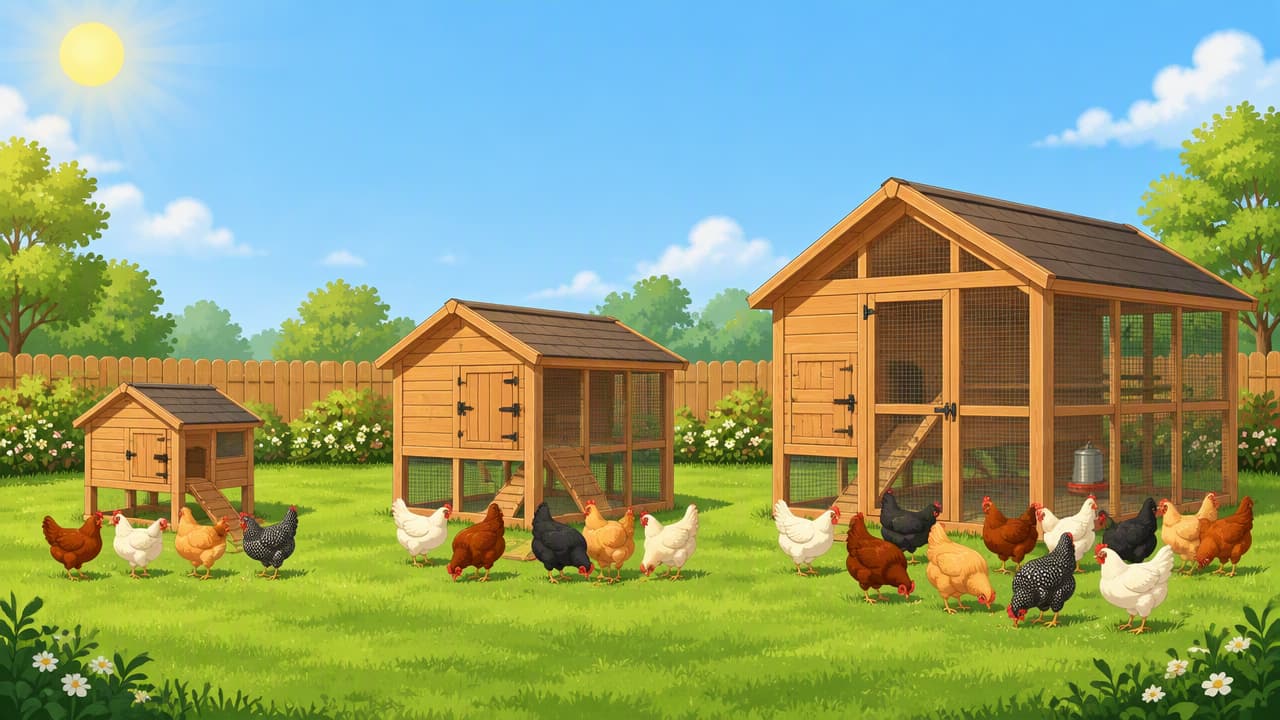
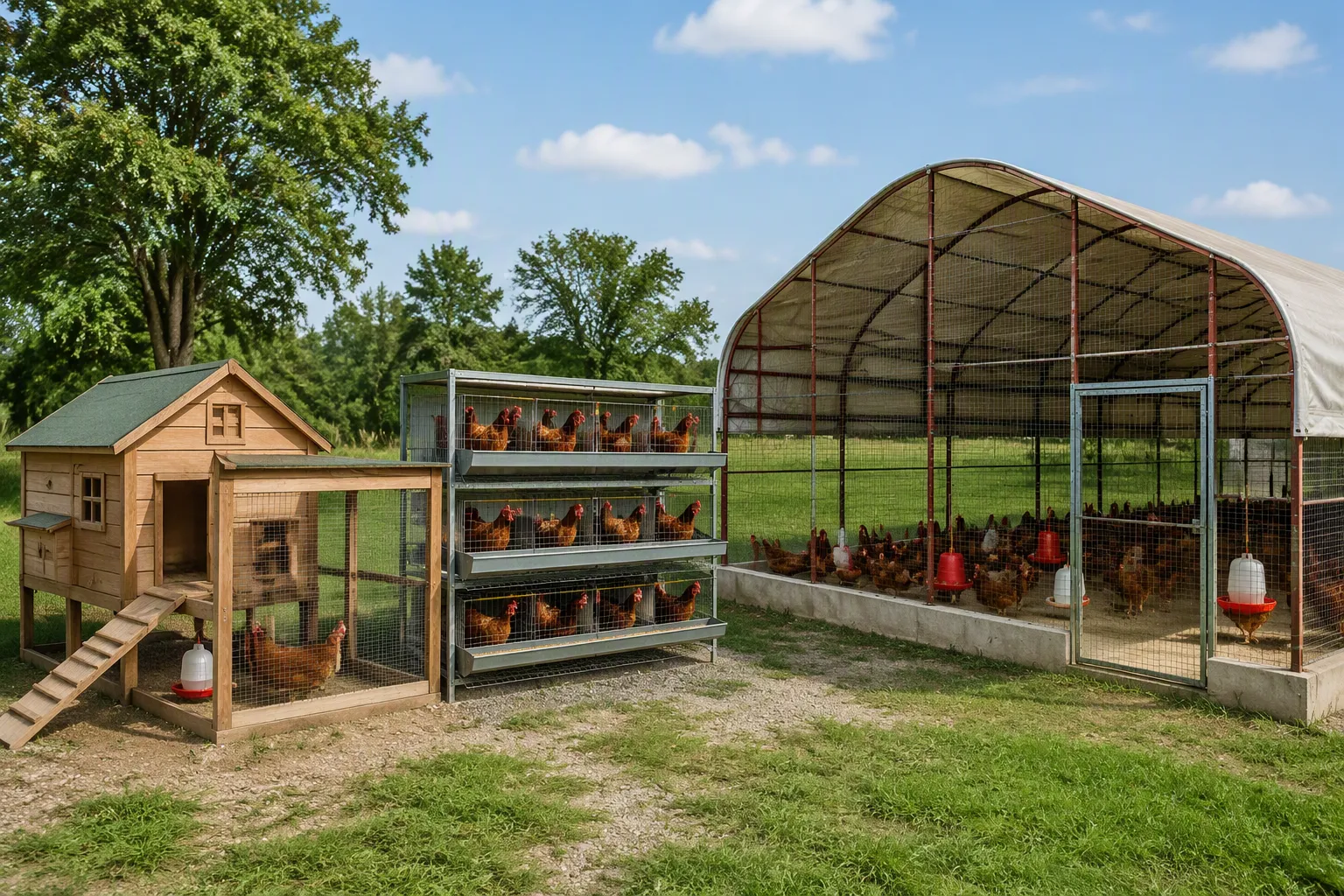
    How to distinguish the types of wooden chicken coops? With the global rise of eco-friendly farming, wooden chicken coops are gradually replacing traditional metal cages due to their natural ventilation, environmental friendliness, and aesthetic design. The demand for customized wooden chicken coops has surged, particularly amidst the rise of backyard farming in Europe and the US and pet chicken culture in Asia.   However, even seemingly simple wooden chicken coops can be categorized into different types. People can choose different types of wooden chicken coops based on their needs.   1. Classification by Function and Use: Wooden chicken coops can be categorized into different types based on their function and use.   Basic Chicken Cages   These cages only meet basic chicken farming needs and are suitable for backyards or small farms. They feature a simple structure and good ventilation.   Egg-Laying Cages   These wooden chicken coops are designed with tilted egg troughs and anti-roll structures for easy egg collection, making them ideal for laying hens.   Brooder Cages   These are smaller cages with insulation or heating, suitable for the growing stages of young chicks.   Display/Ornamental Cages   These cages often feature an attractive appearance and may feature decorative designs, making them suitable for pet chickens or exhibitions.   2. Classification by structural design: Different chicken cages have different designs, resulting in different styles.   Fixed chicken cages: This is a non-movable cage, typically made of a wood and metal frame, suitable for long-term, stationary housing.   Mobile chicken cages: This is a cage with wheels or a removable structure, allowing for easy rotation of grazing areas (such as a "chicken coop cart").   Modular combination cages: This type of cage is often modular and expandable, making it suitable for large-scale farms to flexibly adjust space.   3. Classification by capacity: Chicken cages can also be categorized based on the size of the flock. This classification is often less rigorous, but very practical.   Small (1-5 birds): This type of cage is suitable for home use, compact in size, and commonly found in backyard farms in Europe and the United States.     Medium (5-20 birds): This type of cage is commonly used in small farms or community-shared chicken coops. Large (20+ chickens) This type of cage is typically used to meet the needs of industrial farming or cooperatives, requiring enhanced load-bearing and ventilation.
    Read More
  • Outdoor Wooden Chicken Cage Selection Guide
    Outdoor Wooden Chicken Cage Selection Guide
    Sep 01, 2025
    Outdoor Wooden Chicken Cage Selection Guide Why is it important to choose the right outdoor wooden chicken coop? Are you familiar with this scene: the wooden chicken coop that you carefully built over the weekend starts to mold after the rainy season. The chickens always like to huddle together due to stress, and the number of eggs they lay is half of what it used to be. You finally managed to keep out wild cats, but you didn't pay attention to the gaps in the bottom, and mice pecked at the newly hatched chicks at night. If you don't choose the right outdoor wooden chicken coop, it will not only be time-consuming and laborious, but will also make the chickens you have worked so hard to care for suffer.   Or you may have heard this story: Tom bought a cheap outdoor wooden chicken coop to save costs. However, within half a year, the wood began to rot and break, so he had to replace it, which cost him more money. What was even more troublesome was that the cage was too compact, and the chickens could not move around. The mortality rate was much higher than before, and the breeding efficiency was greatly reduced.   Before choosing a chicken cage, we must be aware that choosing the wrong wooden chicken cage is no minor issue; it can be a critical factor that impacts the core goals of chicken farming (flock health, farming returns, and management efficiency). 1. Harm to Flock Health: Untreated wood can easily breed bacteria, leading to disease in the chickens. Insufficient space and poor ventilation can trigger stress responses, reducing egg production. Inadequate protection can lead to exposure to predators (hawks, weasels, and rats), resulting in direct losses. 2. Harm to Farming Costs: Low-quality wooden chicken cages lack durability and need to be replaced every one to two years, making them more expensive in the long run than high-quality products. Improper design (such as difficulty cleaning) can increase labor costs; cleaning that once took one hour may take three. 3. Harm to the Farming Experience: Frequent maintenance and handling of chicken issues consumes significant energy, turning the stress of raising chickens from a stressful experience into a frustrating one. For farm operations, chicken health issues can also undermine customer trust (for farmers selling free-range eggs, sick chickens can lead to a loss of customers).   In fact, choosing the right outdoor wooden chicken coop is not difficult. The key is to avoid the pitfalls of "only looking at the price", "ignoring the application", and "missing the details". The following guide will start with "clarifying your breeding needs first" and teach you step by step how to identify the wood's anti-corrosion properties, judge the rationality of the design, check the protective details, and even help you avoid the five most common mistakes made by beginners. Whether you are a family user raising 3-5 chickens or a small farmer with more than 10 chickens, you can find a selection method that suits you and never have to worry about "choosing the wrong chicken coop". Core premise: first clarify your own needs and avoid blind selection 1. Determine the scale of your chicken farming: Choose a wooden chicken coop of the appropriate size based on the number of chickens you plan to raise (3-5 for a family farm or 10 or more for a small farm). 2. Consider the specific requirements for the coop based on the size of the outdoor space (corner of a yard or open space), the local climate (rainy and humid climates, high temperatures and direct sunlight, or cold climates).   3. Identify the functional priorities: Is the focus on "safety and protection" (predator protection), "convenient management" (easy cleaning and feeding), or "chicken comfort" (ample room for movement).   Material Selection: The "Durability Foundation" of Outdoor Wooden Chicken Coops   1. Wood Type Identification: Compare the advantages and disadvantages of different wood types (e.g., preservative wood: resistant to decay and borers but expensive; pine: cost-effective but requires additional preservative treatment; fir: lightweight and easy to work with, but less moisture-resistant).   2. Preservative Process Inspection: Verify that the cage has undergone professional preservative treatment (e.g., ACQ preservatives, heat treatment). Avoid the use of toxic preservatives (which can affect chicken health). This can be determined by reviewing the quality inspection report and observing the wood's color.   3. Material Quality Control: Metal connectors (screws, hinges) must be rust-resistant (galvanized or stainless steel) to prevent rust and breakage from prolonged outdoor use. Mesh fencing must be sturdy (to prevent weasels and rats from biting through it) and have an appropriate mesh size (to prevent chicks from escaping).    Design Details: Determine the user experience and the quality of life of the chickens.   1. Spatial Design: - Provide a standard amount of space for each chicken (e.g., at least 0.3-0.5 square meters per bird) to avoid overcrowding. - Layered/Zoneed Design: Are there designated "roosting areas" (for protection from light and warmth), "feeding areas" (for easy cleaning), and "activity areas" (fenced for chickens to roam)? 2. Protective Design: - Predator Protection: Is there a roof cover (to protect against hawks and cats)? Is the bottom sealed or elevated (to prevent entry by rats and snakes)? - Weather Protection: Are there side shields (for rainy areas)? Is the roof slope appropriate (for rapid drainage)? Are there ventilation windows in the summer (to prevent stuffiness)? 3. User-Friendly Design: - Cleaning Ease: Are there removable floors and side doors (for easy manure removal)? Are there designated drainage outlets? - Feeding Ease: Are the feed troughs and waterers easy to install and leak-proof? Does frequent door opening and closing required for adding feed?   Operational Safety: Does the door open and close smoothly to prevent pinching the chickens? Are the edges and corners polished to prevent scratches?   Additional Considerations: Improving Long-Term Value   1. Load-bearing and Stability: Check whether the wooden frame is structurally sound (e.g., using mortise and tenon joints/reinforced beams) to prevent it from toppling over due to chicken movement or wind. 2. Scalability: Check whether it supports the subsequent installation of accessories (e.g., egg nests, automatic manure removal systems), or the ability to expand the size by connecting multiple units (to accommodate future farm expansion).   3. Maintenance Cost: Understand the wood's ongoing maintenance needs (e.g., whether annual oiling is required), and whether accessories are easily available for purchase and replacement to minimize long-term costs.   Pitfall Avoidance Guide: 5 Common Mistakes Beginners Make When Choosing an Outdoor Wooden Chicken Coop   1. Focusing Only on Price: Buying cheap, untreated, ordinary wood can lead to rapid rot and frequent replacement. 2. Ignoring Space: Choosing a smaller size to save costs can cause stress in the chickens and reduce egg production. 3. Neglecting Protection: Failing to Consider Local Predators (e.g., failing to protect against weasels in rural areas), resulting in losses. 4. Ignoring Details: Using ordinary iron for metal parts can rust, compromising the cage's structural safety; lack of ventilation can lead to heatstroke in the summer.   5. Not Considering After-Sales Service: Purchasing products without a warranty means you have no legal recourse if quality issues arise.
    Read More
  • Trends: Why are more and more people devoting themselves to backyard chicken farming?
    Trends: Why are more and more people devoting themselves to backyard chicken farming?
    Aug 28, 2025
    Trends: Why are more and more people devoting themselves to backyard chicken farming? Soaring egg prices and growing food security concerns have driven many Americans to embrace backyard chicken farming. As this movement gains momentum, a thriving community of backyard poultry enthusiasts is emerging—one that’s not just changing lifestyles but reshaping attitudes toward self-sufficiency. ‌First‌, backyard chicken farming is a proven strategy to offset skyrocketing egg prices. With supermarket eggs hitting 6−8perdozeninsomeareas(andevenexceeding20 in others)—prices once deemed unthinkable—many retailers have imposed purchase limits. In contrast, raising hens offers a sustainable solution. In California, for instance, three laying hens cost just $150, and even factoring in coop construction and feed expenses, the investment pays off within four to six months. Homestead eggs cost just a fraction of store-bought ones—about one-fifth to one-sixth the price—and hens continue laying year-round, ensuring long-term savings. Backyard farmers enjoy a steady supply of fresh eggs at unbeatable prices, free from supermarket constraints.   ‌Second‌, backyard eggs are healthier, safer, and more nutritious than commercial alternatives. Factory-farmed eggs often contain traces of hormones and antibiotics, as industrial operations rely on chemicals to maintain productivity and flock health. In contrast, backyard hens thrive on controlled, chemical-free diets, producing truly organic eggs. Research confirms that pasture-raised chickens—with access to outdoor space and natural foraging—lay eggs richer in carotenoids and omega-3 fatty acids, sometimes containing multiple times the nutrient levels of their commercially produced counterparts. Sustainable Living & Community Bonding‌ Backyard chicken farming embodies modern sustainable living. Chickens efficiently convert kitchen scraps into nutrient-rich manure, diverting waste from landfills while creating organic fertilizer for gardens. This circular system reduces reliance on synthetic fertilizers, cutting household carbon footprints by up to 30% according to USDA studies. ‌Reconnecting with Nature & Family‌ For urban families, raising chickens offers a tangible link to agrarian traditions. Children witness the full lifecycle—from egg to hatchling to egg-laying hen—learning responsibility through daily care. The process fosters teamwork, with families collaborating on feeding, coop maintenance, and egg collection, strengthening bonds through shared purpose. ‌Building a Greener Society‌ The backyard chicken movement is creating ripple effects. Enthusiasts swap tips at local farmers' markets, where 65% report buying more locally grown produce (2025 National Agricultural Survey). As these sustainable choices multiply, they drive demand for organic products and eco-conscious retailers, accelerating broader environmental impact.   ‌As advocates for this lifestyle, we offer natural wooden chicken coops designed for both chicken welfare and backyard aesthetics. Contact us to join the growing community transforming neighborhoods.
    Read More

Get Free Sample

leave a message
Our pet dens offer a comfortable and stylish home for your beloved pets.
submit
Contact Us: info@fxywp.com.cn

home

products

WhatsApp

Contact us